Source: Sharecast
Brent crude was up 7.72% to $99.85 a barrel at 1730 GMT having surged overnight - at one point hitting $119 - marking the first time prices have breached the $100 mark since Russia's invasion of Ukraine in February 2022. West Texas Intermediate - the American crude benchmark - was up 4.42% at $94.92.
In a statement at the conclusion of their online meeting on Monday to discuss the crisis, the group said it was ready to take “necessary measures” to support global energy supply, which could include the releasing of stockpiles - but stopped short of any actual concrete measures.
France’s finance minister Roland Lescure earlier said the G7 - Canada, France, Germany, Italy, Japan, the UK and US - is “not there yet” on an agreement to release reserves.
Prices accelerated last Friday as US President Donald Trump demanded the "unconditional surrender" of Iran. The vital strait of Hormuz has been effectively closed for a week since the war started, stopping an estimated 20 million barrels of oil a day reaching the market and placing pressure on the storage facilities of major producers as stockpiles build.
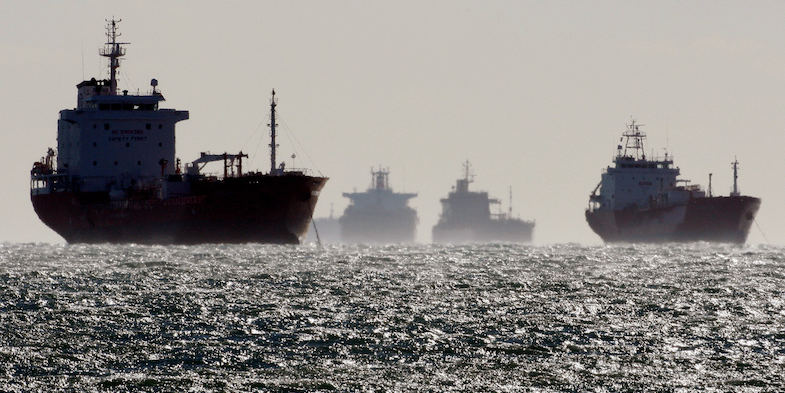
More than 20% of the world's oil and natural gas shipments pass through the key waterway, along with other vital cargo. At least 200 tankers are stuck either side of the strait after Iran’s Revolutionary Guards threatened to “set ablaze” any vessel trying to transit.
Trump brushed aside the rise, posting on social media that "short term oil prices, which will drop rapidly when the destruction of the Iran nuclear threat is over, is a very small price to pay for U.S.A., and World, Safety and Peace”.
“ONLY FOOLS WOULD THINK DIFFERENTLY!” he added.
The average price in the US for a gallon of petrol hit $3.45 on Sunday, up from $2.98 a week ago, according to the American Automobile Association, with the price in California hitting $5.15.
Meanwhile, Kuwait announced precautionary cuts Saturday to its oil production and refinery output due to "Iranian threats against safe passage of ships through the Strait of Hormuz”. Output in neighbouring Iraq, the second-biggest producer among the Opec states, has reportedly fallen 70% to 1.3 million barrels per day.
Meanwhile, hopes that a swift end to the conflict could be achieved receded on Sunday as Iran selected Mojtaba Khamenei, the second son of assassinated supreme leader Ayatollah Ali Khamenei, as his successor.
Ali Khamenei was killed on the first day of the war in a missile strike and his son is expected to take an equally hardline approach to the West.
Reporting by Frank Prenesti for Sharecast.com