Source: Sharecast
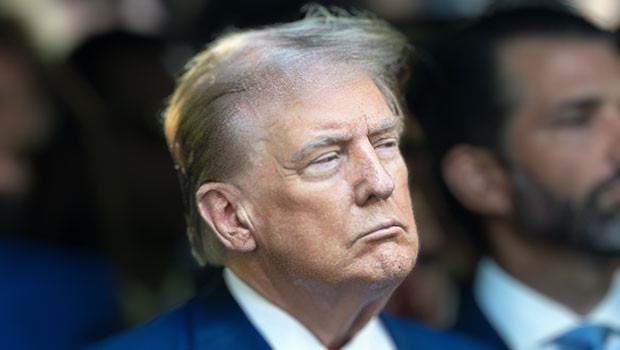
Donald Trump, who is in France for the G7 summit, confirmed late on Wednesday that the memorandum of understanding had been signed. Pakistan prime minister Shehbaz Sharif, who has acted as mediator, later confirmed it had been electronically signed and would come into effect immediately.
Tehran confirmed president Masoud Pezeshkian had signed the document, although Iran’s key negotiator, Mohammad Bagher Ghalifbaf also told state media that country’s "finger is on the trigger" still.
The 14-point MoU extends the ceasefire for a minimum of 60 days, allowing a final deal to be negotiated.
Under the interim deal, the Strait of Hormuz - though which around 20% of the world’s oil supply normally passes - will instantly reopen. It has been effectively shut since early April, sending global energy costs soaring and depleting inventories.
Oil prices, which were trading around $120 at the peak of the war, fell on the news. By 0800 BST on Thursday, benchmark Brent crude was off 2% at $77.65 a barrel while West Texas Intermediate was down 3% at $74.79.
The US has also agreed to terminate sanctions on Iran, grant a waiver allowing the country to export oil during the 60-day period and pay $300bn towards reconstruction. It also leaves opens the possibility of future charges being applied to the Strait of Hormuz. There were no tolls payable prior to the outbreak of war.
The final settlement is dependent on the two countries agreeing a nuclear deal, however.
Trump told reporters that the deal would avert a "worldwide depression", adding: "I didn’t want to see economic catastrophe. If you kept this going, that could have happened."
The interim deal was welcomed by fellow leaders at the G7 summit. But support in Israel, which backed the US in the war, was more muted. It has also been heavily criticised by some of Trump’s allies. Mike Pence, who served as vice president during Trump’s first term, told Fox News that he had "concerns" and that the deal "smacks of a kind of appeasement".